Get Poured Wall Installation
Poured wall installation services help property owners build strong, durable foundation walls for basements, retaining walls, and other structural projects.
Poured wall installation is a practical solution for property owners looking to enhance the stability and durability of their foundations, retaining walls, or other structural elements. Whether planning a new construction project or reinforcing existing structures, understanding the options available locally can help ensure the work meets specific needs and site conditions. Exploring the services offered by nearby contractors provides valuable insights into different approaches and techniques used in poured wall construction.
Property owners in the area often consider poured wall services to improve land management, prevent erosion, or create functional outdoor spaces. Comparing local contractors can help identify experienced service providers capable of handling various project requirements. Continuing to explore available options can assist in making informed decisions for upcoming construction or renovation plans.
- Residential Poured Wall Installation - needed when homeowners require durable foundation walls for new construction or remodeling projects.
- Commercial Poured Wall Construction - suitable for businesses seeking sturdy retaining or foundation walls for commercial buildings.
- Basement Wall Reinforcement - necessary when existing basement walls show signs of cracking or water intrusion.
- Retaining Wall Poured Concrete - used to hold back soil and prevent erosion on landscaping or property boundaries.
- Custom Poured Wall Designs - ideal for projects that demand specific aesthetic or structural specifications for unique spaces.

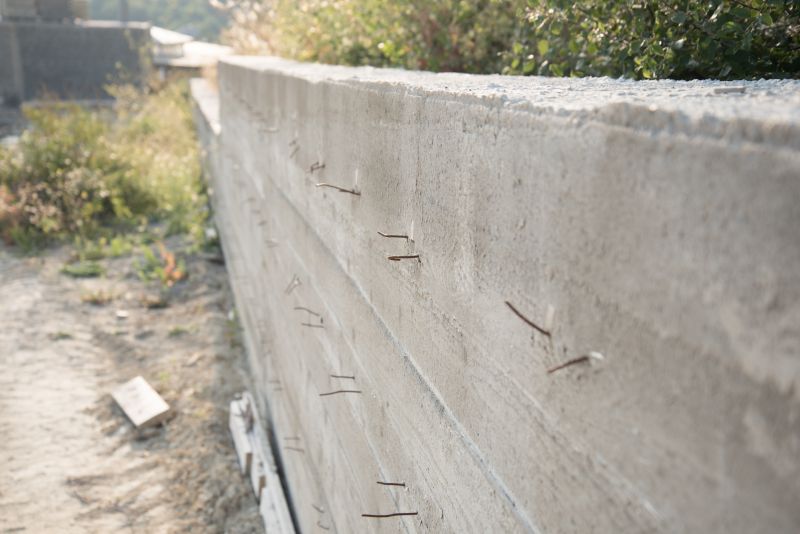

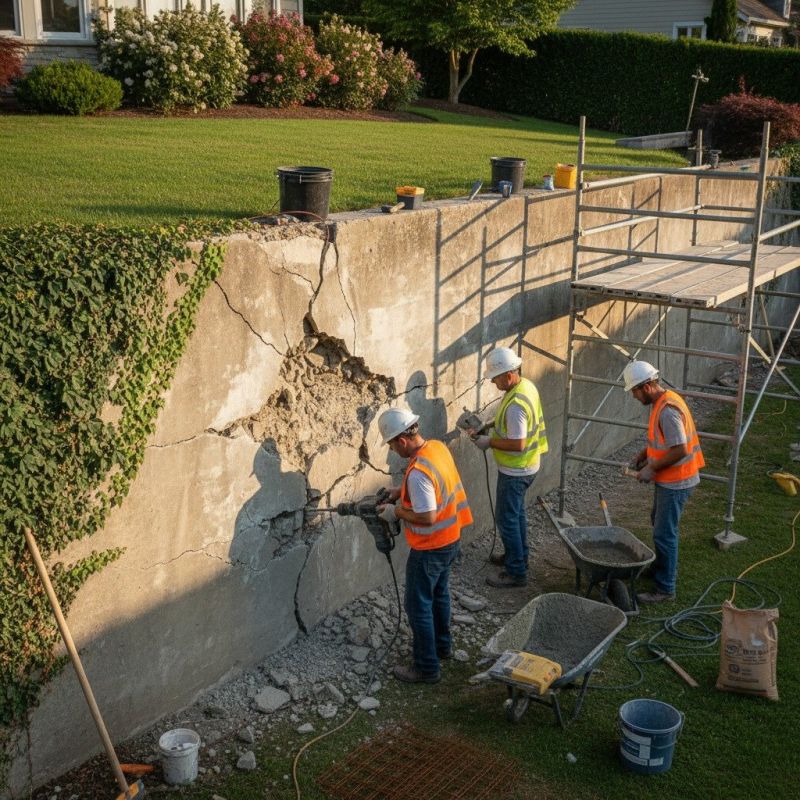
Poured wall installation involves creating durable, reinforced concrete walls that serve as foundational or retaining structures for a variety of properties. This process typically begins with preparing the site, setting up forms, and pouring concrete to form a solid wall that can withstand pressure and environmental forces. The finished poured walls are often smooth, seamless, and built to last, providing a stable barrier that can support soil, prevent erosion, or define spaces within a property. This service is essential for both new construction projects and renovations where a sturdy and reliable wall is needed to ensure the stability and integrity of a structure.
Many common problems can be addressed through poured wall installation. For example, properties experiencing soil shifting, erosion, or water intrusion often benefit from a properly installed poured wall to reinforce foundations and prevent further damage. Additionally, properties with uneven terrain or those requiring basement or retaining wall upgrades may need poured walls to improve safety and usability. This service can also help resolve issues related to cracking or crumbling existing walls, providing a fresh, resilient barrier that enhances the property's overall stability and security.
Poured wall services are frequently utilized on residential properties, especially for basement foundations, retaining walls, or landscaping features that require structural support. They are also common on commercial properties, where durable walls are needed to support parking structures, loading docks, or storage facilities. Properties with challenging soil conditions, high water tables, or those located in flood-prone areas often rely on poured walls to create a reliable barrier against water intrusion and soil movement. Homeowners and property managers typically seek these services when facing structural concerns or planning new construction that demands long-lasting, reinforced walls.
When considering poured wall installation, property owners should look for local service providers experienced in handling various types of projects. These professionals can assess the specific needs of a property, recommend appropriate solutions, and ensure proper installation to maximize durability and performance. Poured walls are an investment in the long-term stability of a property, helping to prevent future issues related to soil pressure, water damage, or structural failure. Contacting local contractors can provide the expertise needed to select and install the right type of poured wall for any residential or commercial property.
The overview below groups typical Poured Wall Installation projects into broad ranges so you can see how smaller, mid-sized, and larger jobs often compare in your area.
In many markets, a large share of routine jobs stays in the lower and middle ranges, while only a smaller percentage of projects moves into the highest bands when the work is more complex or site conditions are harder than average.
Smaller Repairs - For minor patching or small sections of poured wall, costs typically range from $250-$600. Many routine repairs fall within this range, depending on the extent of work needed and local rates.
Standard Installation - Installing new poured walls for a typical basement or foundation project usually costs between $3,000 and $8,000. Most projects in this category are priced within this band, though larger or more complex jobs can go higher.
Full Wall Replacement - Replacing entire sections of existing poured walls can range from $10,000 to $20,000 or more. These larger projects are less common but may be necessary for significant structural repairs or upgrades.
Large or Complex Projects - Extensive or custom poured wall installations, such as retaining walls or multi-story foundations, can exceed $20,000, with some reaching $50,000+ depending on scope and site conditions. Such projects are less frequent but handled by specialized local contractors.
Actual totals will depend on details like access to the work area, the scope of the project, and the materials selected, so use these as general starting points rather than exact figures.
Foundation Wall Construction - local contractors experienced in building foundation walls utilize similar excavation, form-setting, and concrete pouring skills as poured wall installation projects.
Retaining Wall Installation - this type of project involves planning and constructing walls to hold back soil, requiring expertise in concrete and structural support similar to poured wall work.
Basement Wall Waterproofing - professionals offering waterproofing services often work with poured concrete walls, applying techniques that complement wall installation and sealing methods.
Concrete Wall Repair - repairing existing concrete walls involves understanding of poured wall structures, materials, and reinforcement, paralleling the skills needed for new poured wall projects.
Crawl Space Encapsulation - sealing and insulating crawl spaces often requires working with concrete and foundation walls, making it related in planning and material handling.
Underground Utility Installation - installing underground utilities involves precise excavation and concrete work, sharing planning and site preparation skills with poured wall installation services.
When evaluating potential contractors for poured wall installation, it’s important to consider their experience with similar projects. Homeowners should inquire about how many poured wall jobs they have completed and whether they have worked on projects comparable in size and scope. A contractor with a proven track record in installing durable, properly reinforced poured walls can provide insight into their expertise and familiarity with best practices. This helps ensure the selected service provider has the skills necessary to handle the specific requirements of the project and can deliver results that meet expectations.
Clear, written expectations are essential for a smooth project process. Homeowners should seek detailed estimates or proposals that outline the scope of work, materials to be used, and any relevant warranties or guarantees. Having this information in writing reduces misunderstandings and provides a reference point throughout the project. It’s also beneficial to ask service providers about their communication style and how they handle questions or concerns, as good communication can help keep the project on track and ensure all parties are aligned on the goals and deliverables.
Reputable references and reviews are valuable indicators of a service provider’s reliability and quality of work. Homeowners can ask local contractors for references from previous clients who had similar poured wall projects. Speaking with past customers about their experiences can reveal insights into the contractor’s professionalism, timeliness, and workmanship. Since the site connects homeowners with local options, it’s important to remember that it does not perform the work itself. Instead, it provides a platform to compare and contact qualified service providers who can handle the job, helping homeowners make informed decisions based on experience, communication, and reputation.
Property owners use Poured Wall Installation services for practical projects around their homes and businesses. This guide focuses on everyday jobs and straightforward project options.
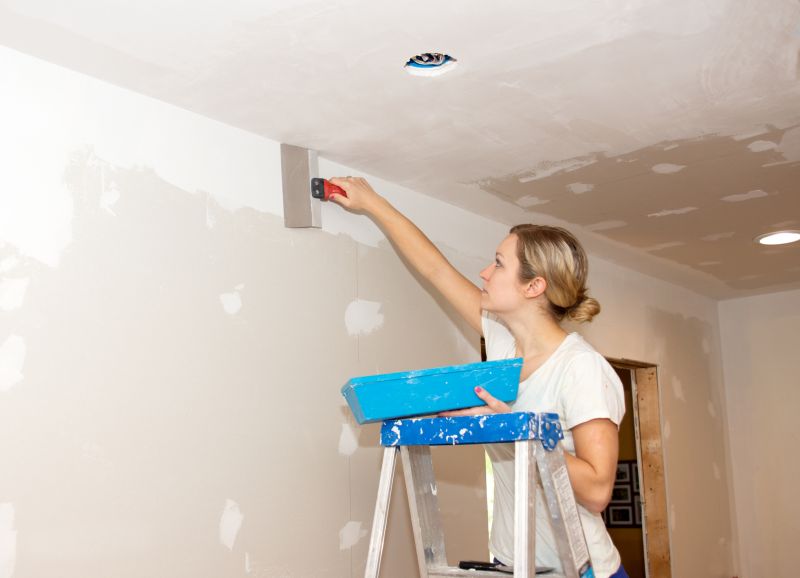
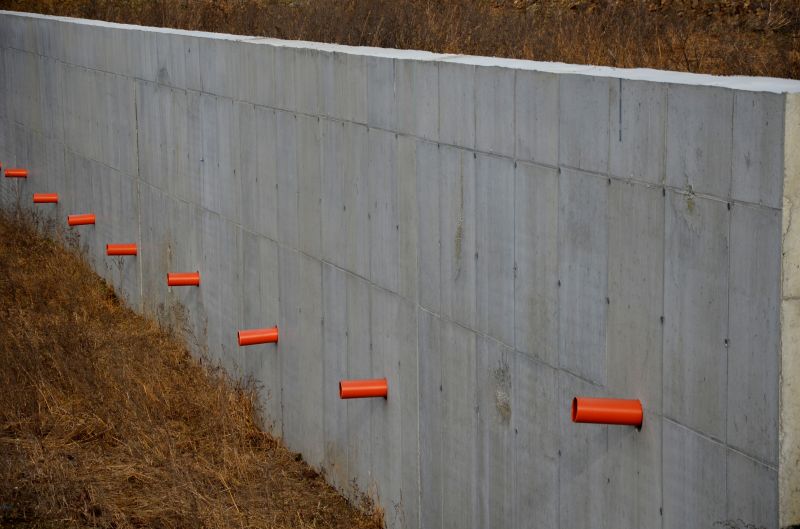
Poured wall installation is a common solution for property owners dealing with foundation repairs, basement finishing, or retaining wall projects. Local contractors are often called upon when homeowners notice cracks, leaks, or shifting in their existing walls, or when they want to create a durable, long-lasting boundary for landscaping or erosion control. These projects typically require precise work to ensure stability and safety, making it important to connect with experienced service providers who understand the specific needs of the local area.
Property owners might also seek poured wall services when constructing new foundations or upgrading existing structures to meet building standards. Whether it's for a residential basement or a commercial retaining wall, local contractors can handle a range of project sizes and complexities. Choosing the right service provider can help ensure the work is completed efficiently and to the property’s requirements, providing peace of mind for those looking to improve or secure their property.
What are poured walls used for? Poured walls are commonly used for foundations, basement walls, retaining walls, and other structural applications that require strong, durable vertical surfaces.
What materials are typically used for poured wall installation? The primary material is concrete, which is poured into formwork to create sturdy, long-lasting walls suitable for various structural needs.
How do I know if poured walls are suitable for my project? Local contractors can assess your property and project requirements to determine if poured walls are the right choice based on stability, durability, and design considerations.
What are common challenges in poured wall installation? Challenges can include proper form setup, ensuring correct concrete mix, and avoiding cracks or leaks, which experienced service providers can help manage effectively.
How do local contractors ensure quality poured wall installation? They typically follow industry best practices, use quality materials, and have experience in proper formwork and curing techniques to deliver reliable results.
Basement Waterproofing Support - Poured wall installation can be used to reinforce basement walls and prevent water intrusion during heavy rains or flooding.
Retaining Wall Construction - Property owners can utilize poured walls to create retaining walls for gardens, terraces, or landscape leveling projects.
Foundation Stabilization - Local contractors can help improve the stability of uneven or shifting foundations with poured wall solutions.
Erosion Control Solutions - Poured walls can serve as effective barriers to manage soil erosion along slopes or around property boundaries.
If you are thinking about Poured Wall Installation for a property, this guide is meant to help you understand the work, the typical project types, and how different options might fit your plans.
When you are ready, you can use the quote form on this page to share a few details about your project. From there, local pros can review the basics and respond with options that match what you have in mind.